
by Bo Birkeland
Share
by Bo Birkeland
Share
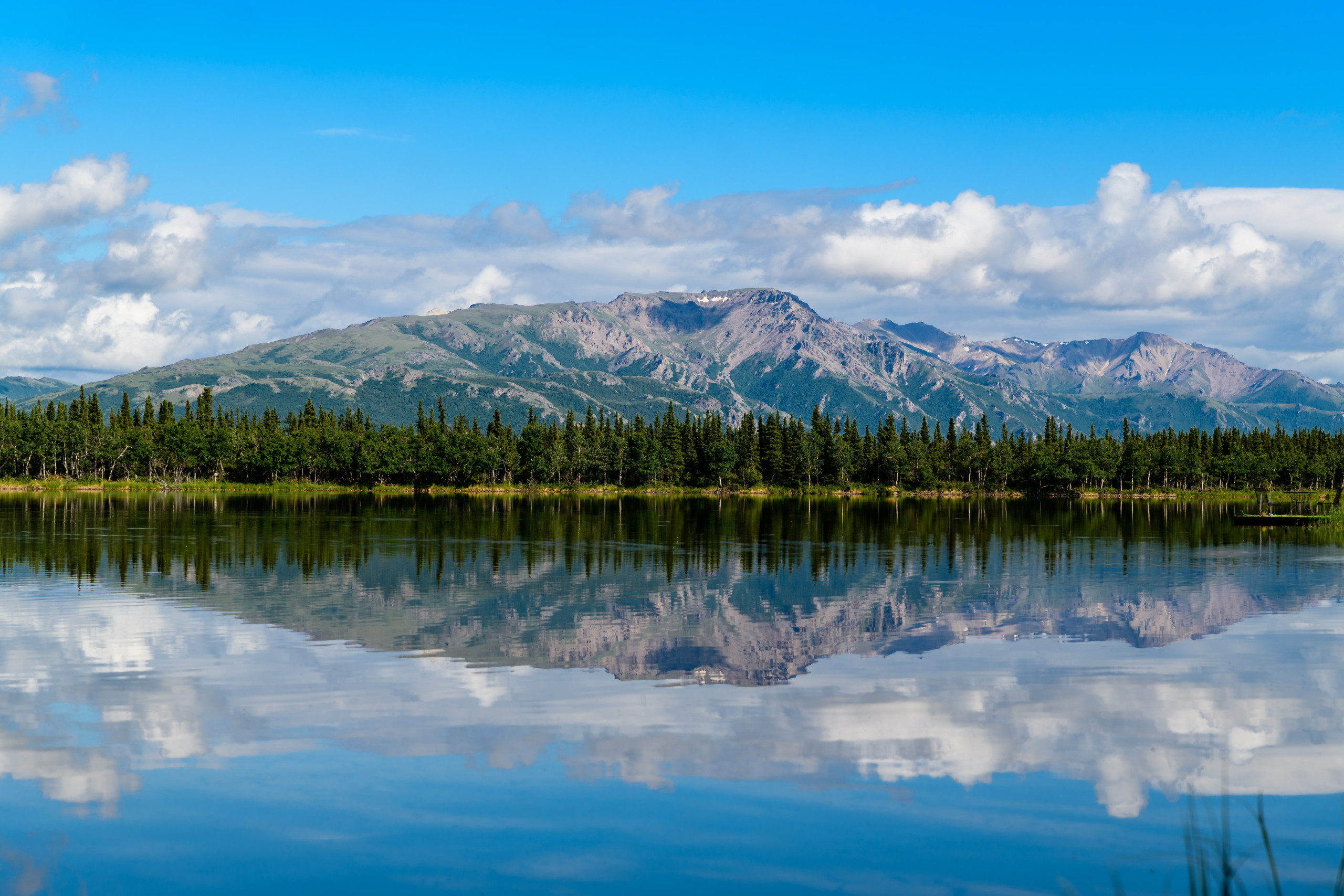
Inherited a Home in Alaska? Here’s What You Need to Know
Inheriting a home in Alaska can be both exciting and challenging. It’s a big responsibility that comes with its own set of rules and requirements. This guide will walk you through the key aspects of inheriting a house in Alaska, making it easier for you to handle this new asset efficiently.
Understanding Alaska Inheritance Rules
When you inherit property in Alaska, understanding the inheritance rules is your first step towards managing this new responsibility efficiently. These rules essentially determine how the property is distributed and what legal and financial obligations you might face.
Alaska follows a set of specific guidelines when it comes to inheritance. If there’s a will, the probate process generally ensures that the decedent’s wishes are followed. However, if there’s no will, Alaska law steps in to distribute the assets according to intestacy laws. This means the property may go to the next of kin, which could include spouses, children, or other family members.
Inheritance rules in Alaska also outline the potential for owing taxes on your newfound property. While Alaska itself does not levy a state inheritance tax, you might still be subject to federal estate taxes if the estate exceeds certain thresholds. Additionally, understanding these tax parameters will help you avoid any unexpected liabilities.
Familiarizing yourself with these rules early on can save you from legal headaches. It’s important to note that overlooking these steps can lead to complications, such as disputes among heirs or unnecessary delays in property transfer. So, take the time to learn the ins and outs of Alaska’s inheritance statutes to ensure a smooth transition.
What Happens When You Inherit a House in Alaska?
When you inherit a house in Alaska, you take ownership of the property—a process that requires a few key steps. First, you need to file the necessary legal documents to formalize the transfer of ownership. This typically involves working with a local probate court, especially if there’s a will that needs to be validated.
Once the legalities are sorted, it’s crucial to understand the financial landscape of the property you’ve inherited. This means checking for any existing debts, like a mortgage or unpaid property taxes. Becoming aware of these obligations sooner rather than later can save you from unexpected liabilities down the road.
In addition, make sure to review any homeowner association (HOA) dues or other community-related fees that might be attached to the property. Keeping these in mind will help you budget accurately and avoid any surprises. Finally, transferring utilities and updating homeowner insurance to reflect your new ownership are essential steps to ensure the property is maintained in good standing.
Is an Inheritance Taxable in Alaska?
Alaska does not have a state inheritance tax. This means you won’t owe the state any money just because you inherited a property. However, you still need to consider federal inheritance taxes, which might come into play depending on the value of the estate.
Even though you’re off the hook for state inheritance tax, local property taxes are a different story. As the new owner, you’ll be on the hook for any property taxes that apply to the home. These taxes are based on the assessed value of the property, so it’s wise to get familiar with the local rates and regulations.
In summary, while the state won’t take a cut from your inheritance, Uncle Sam and local tax authorities will still have a say in your financial obligations.
Steps to Take After Inheriting Property in Alaska
- Legal Documentation:
- First, you need to tackle the legal paperwork. Begin by confirming the ownership transfer of the property. This might involve probating the will if applicable. Essentially, this step formally acknowledges you as the new owner. You’ll also need to update the property title to reflect this change. This ensures that all official records are in your name, which is crucial for future transactions or legal matters.
- Evaluate the Property:
- Once the legalities are sorted, take a hard look at what you’ve inherited. Assess the property’s condition by getting a thorough home inspection. This will identify any immediate issues that need fixing. Knowing the market value of the property is also key—this can be done through a professional appraisal. This valuation will help in deciding whether to keep, sell, or rent the property. It’s an essential step to make informed decisions moving forward.
- Financial Considerations:
- Next up are the financial aspects. If there’s an existing mortgage or any debts tied to the property, you’ll need to address these straight away to avoid complications. Budgeting for maintenance costs is another important step. Properties require routine upkeep, and it’s better to plan ahead for these expenses. Don’t forget about insurance either. Ensure the property is adequately insured under your name to protect against any unforeseen events. This provides peace of mind as you move forward with your plans for the property.
These steps may feel like a lot to handle, but breaking them down into manageable tasks can simplify the process. Taking a systematic approach ensures you cover all bases, making the transition smoother and reducing the risk of overlooking important details.
Tax Implications of Inherited Property in Alaska
- Federal Estate Taxes: Although Alaska itself doesn’t levy an inheritance tax, the IRS might come into play. If the combined value of the decedent’s estate exceeds the federal exemption limit ($12.92 million as of 2023), you could be facing federal estate taxes. This is a complex area that often requires consultation with a tax professional to navigate.
- Property Tax Implications: Regardless of inheritance, property taxes in Alaska still apply. These taxes vary by location and are due annually. Ensure you orient yourself with the local property tax rates to budget accordingly. There may be exemptions or reductions for residents using the property as a primary home, which could be worth exploring.
- Capital Gains Tax: If you plan to sell the inherited property, you need to be mindful of capital gains tax. When you inherit property, the property’s basis generally “steps up” to its fair market value at the time of the previous owner’s death. This means you only owe capital gains tax on any increase in value from the time you inherited it to the time you sell it. Again, consulting a tax professional can provide personalized insight and help manage these implications effectively.
Selling the Inherited Property
Selling a property you’ve inherited in Alaska might feel like a daunting task, but approaching it methodically can simplify the process. Here are the necessary steps to take:
- Get a Property Valuation:
- The first step is to determine the current market value of the property. Hiring a professional appraiser can provide you with an accurate valuation, which is essential for setting a realistic sale price.
- Field Cleanup and Repairs:
- Before listing the property, it’s crucial to get it in good condition. Clean up the property, clear out any personal belongings, and address any minor repairs. Small fixes and a thorough cleaning can significantly increase your property’s appeal to potential buyers.
- List the Property with a Real Estate Agent:
- Partnering with a knowledgeable real estate agent who understands the Alaskan market can make a huge difference. They can offer valuable insights, assist with paperwork, and help market the property to reach the right audience.
- Provide Full Disclosure:
- Transparency is critical when selling inherited property. Be prepared to disclose the property’s condition and history to potential buyers. Gather all necessary documentation, including recent inspections, repair records, and any known issues. Full disclosure builds trust and can prevent complications during the sale process.
By following these steps, you can streamline the selling process and potentially maximize the value of your inherited property.
Keeping the Inherited Property
If you decide to keep the inherited property, a few essential steps will ensure that it remains an asset rather than a burden.
Update Insurance Policies
- Action: Update all relevant insurance policies to reflect your new ownership.
- Importance: Protect against potential damages or liabilities.
- Steps: Contact your insurance provider and familiarize yourself with coverage options that suit the property, especially considering Alaska’s unique weather conditions.
Proactive Maintenance
- Action: Get proactive about maintenance.
- Importance: Alaska’s harsh environment can take a toll on properties, making regular upkeep vital.
- Steps:
- Schedule routine inspections.
- Clear snow and debris promptly.
- Address any wear and tear issues before they escalate.
- Benefit: Ongoing attention will save you money in the long run and keep the home in good shape.
Consider Financial Aspects
- Action: Evaluate the potential for rental income.
- Importance: Renting it out can help offset maintenance costs and generate extra income if you’re not planning to live in the home.
- Steps:
- Ensure the property meets all local rental regulations.
- Consider engaging a property management company to handle day-to-day tenant issues.
Summary
In summary, if you choose to hold onto the inherited property:
- Bring your insurance up to date.
- Stay diligent with maintenance to safeguard your investment.
-
Renting could provide a steady stream of income to help manage expenses.
Legal and Financial Advice
When it comes to inheriting property, especially something as significant as a home in Alaska, getting professional advice is non-negotiable.
First, consult a real estate attorney who specializes in Alaska law. They will help you navigate the specific legal landscape, ensuring you understand the nuances of probate, title transfers, and any potential legal issues tied to the property. They can aid in verifying the will, correcting any title issues, and making sure all legal documents are in order.
Next, speaking with a financial advisor is crucial. They can provide clarity on the fiscal responsibilities that come with your new asset. This includes understanding federal estate taxes, if applicable, and local property taxes. They can also guide you on how to handle any existing debts linked to the inherited property and assist in budgeting for ongoing expenses like maintenance and insurance.
Additionally, make use of reliable local resources such as Pinetop Land Company. Local advisors and real estate professionals can offer targeted advice relevant to Alaska’s specific market conditions, helping you make informed decisions about retaining, renting, or selling the inherited property.
By combining legal and financial expertise, you can manage your inherited Alaskan home efficiently and avoid potential pitfalls.
Common FAQs
What happens when you inherit a house in Alaska?
- You assume ownership and responsibility for the property.
- You may need to handle any outstanding debts linked to the property. In short, inheriting a house also means inheriting any financial strings attached to it like mortgages, liens, or home equity loans. It’s crucial to review these obligations promptly to avoid any unpleasant surprises.
Is an inheritance taxable in Alaska?
- Alaska doesn’t impose inheritance or estate taxes on a state level, which is a relief to many. However, federal estate taxes could still be on the table, depending on the overall value of the inherited assets. It’s wise to consult a tax advisor to fully comprehend your tax obligations.
-
Besides federal taxes, you’ll still need to consider local property taxes. Even if inheritance taxes don’t hit you, property taxes won’t disappear. Check with the local municipality to get an exact figure.
Conclusion
Inheriting a home in Alaska comes with its unique set of challenges and responsibilities. By understanding Alaska inheritance rules and following a structured plan, you can manage this asset effectively. Always seek professional advice to navigate the legal and financial complexities, ensuring a smoother transition into property ownership.
Key Points to Remember
- Understanding the Rules: Get a good grasp of Alaska’s inheritance laws.
- Structured Planning: Develop a step-by-step plan for managing the property.
- Seek Professional Advice: Consult legal and financial experts to handle complexities.
Managing Your New Asset
Taking ownership of an inherited property isn’t merely about celebrating your new asset. Here are some considerations to keep in mind:
- Paperwork: Complete all necessary documentation accurately.
- Financial Decisions: Make informed decisions about whether to sell or keep the property.
Tips for a Smoother Transition
- Stay Informed: Educate yourself about property management and inheritance laws.
- Seek Professional Help: Don’t hesitate to consult professionals when needed.
Additional Resources
For more information, visit:
HAVE A PROPERTY TO SELL?
Get A Fair Cash Offer
JUST FILL OUT THIS QUICK FORM:


