
by Bo Birkeland
Share
by Bo Birkeland
Share
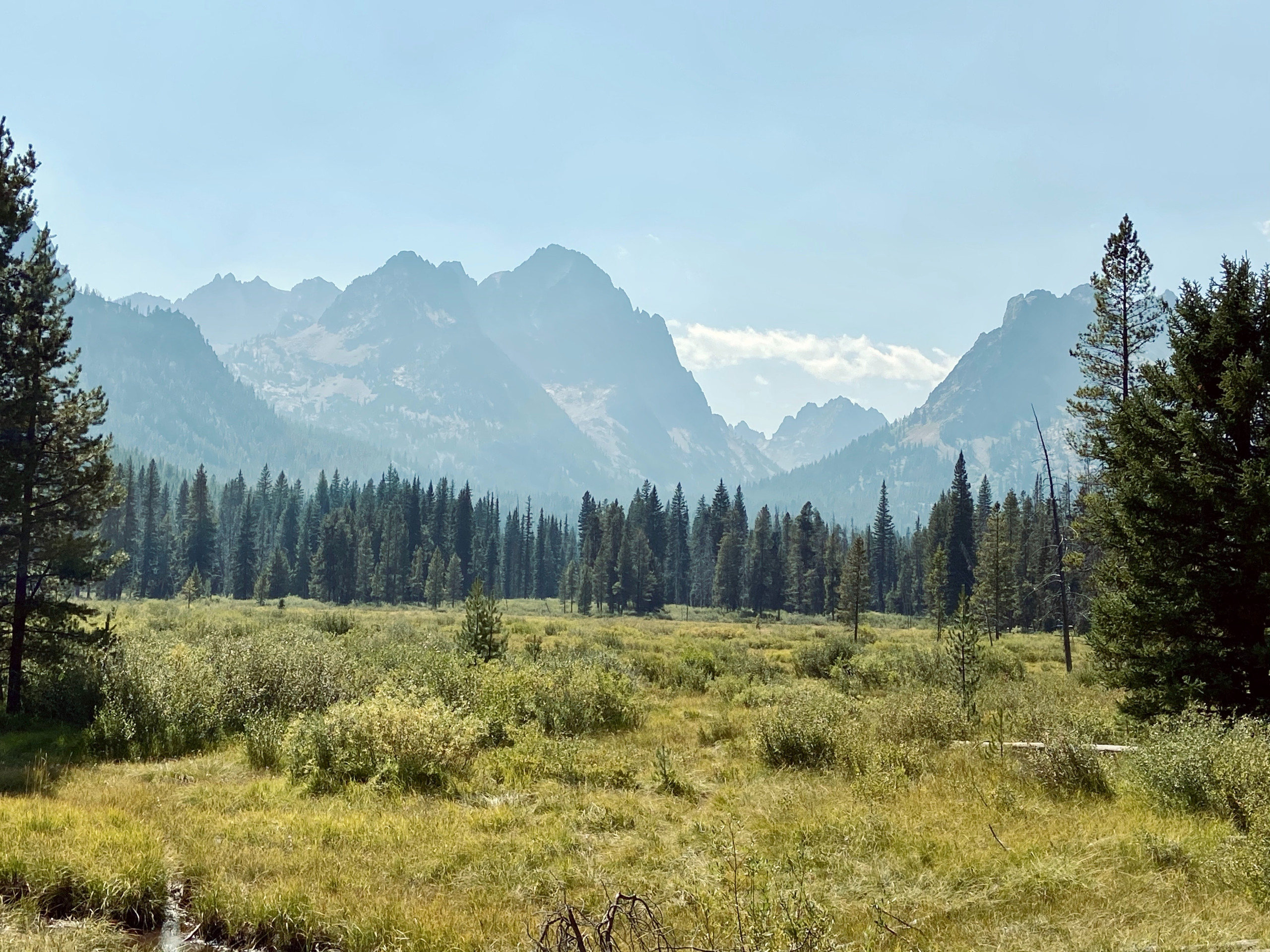
Guide to Inheriting Land in Idaho: Legal Tips and Practical Advice
When inheriting land in Idaho, it’s important to understand the legal and practical aspects. This guide provides key information to help you navigate the process effectively.
Introduction
Inheriting land in Idaho can be both an intriguing opportunity and a daunting responsibility. Whether it’s a remote parcel in the wilderness or a family farm, understanding the rules governing land inheritance in Idaho is crucial. These laws shape your rights, responsibilities, and financial obligations, and having a grasp on them will make the transition smoother and potentially more profitable.
Navigating inheritance laws might sound like a dry task, but it’s a cornerstone to ensure you’re making informed decisions. A little groundwork now can prevent misunderstandings and legal hiccups later. This guide aims to lay out everything you need to know, from the basic legal framework to practical steps and pro tips on managing or selling that inherited piece of land. So, let’s dive in and make sure you’re prepared for the journey ahead.
Idaho Inheritance Laws
Inheriting land in Idaho comes with its own set of unique laws and regulations, so understanding these can save you a lot of hassle. Idaho follows specific intestate succession laws, which determine what happens to someone’s property if they pass away without a will. If there’s a will, the probate process ensures the deceased’s wishes are honored. Key terms like “executor” (the person named to manage the estate) and “beneficiary” (the person inheriting) are crucial to know.
Idaho is a community property state, meaning that if the deceased was married, half of the jointly owned property automatically goes to the surviving spouse. If you’re inheriting land through intestate succession, the hierarchy usually places spouses and children first, followed by parents and siblings.
It’s essential to review both the will and Idaho’s specific laws on inheritance to see how they impact your situation. For example, you might need to go through probate, a legal process that validates the will and transfers the property. This process can take some time and might need the assistance of a lawyer.
Understand these laws thoroughly so you can navigate the legal landscape with confidence.
What to Do When You Inherit Land
Inheriting land can be a mix of excitement and responsibility. Here’s a breakdown of immediate steps you should take to ensure a smooth transition:
Immediate Steps to Take Upon Inheriting Land
Obtain the Deed
First things first, get your hands on the deed. This document is crucial because it legally proves your ownership of the land. If you can’t find it among the estate papers, contact the county recorder’s office where the property is located.
Verify Property Boundaries
Before you start making any plans, confirm the property boundaries. This could save you a lot of headaches later. Old surveys can sometimes be found with the deed, but if you’re unsure, hiring a professional surveyor might be worth the investment.
Address Any Existing Mortgages or Liens
Check if there are any mortgages or liens on the property. If there’s a mortgage, you’ll need to decide how to handle it. Maybe the estate has enough funds to pay it off, or you might need to arrange a new payment plan. Liens can be trickier—these are claims against the property due to unpaid debts and should be cleared up ASAP.
Check if Inherited Land is Taxable
Next up, taxes. In Idaho, inheritance itself is not taxed, but you might still owe property taxes. It’s smart to talk to a tax professional to understand any potential federal estate taxes or capital gains taxes if you decide to sell the land. Ignoring tax issues can lead to penalties, so it’s best to address this early on.
Taking these initial steps can set a solid foundation for managing your inherited land. The key is to stay organized and seek professional advice when needed.
Legal Considerations
When you inherit land in Idaho, the first legal action is to carefully review the will and any associated legal documents. Confirm that everything is in order and that you have a clear understanding of the specifics outlined. If the will is contested or unclear, you might face delays or complications.
Understanding your legal rights and responsibilities is crucial. Idaho follows its own set of probate laws which you need to familiarize yourself with. These laws determine how the property is transferred and any obligations you must fulfill. For instance, you might need to clear any debts or liens against the property before you can fully claim ownership.
Consulting with an attorney isn’t just a good idea—it’s often a necessity. A lawyer who specializes in Idaho real estate or probate law can help you navigate the complexities of the legal requirements. They can also assist in resolving potential disputes and ensuring that the transfer of land complies with state laws. This expert advice can save you time and prevent costly mistakes, allowing you to focus on what comes after inheriting the land.
Financial Aspects
Inheriting land comes with its set of financial considerations. First up, let’s talk costs. Maintaining an inherited piece of land isn’t free; think annual property taxes, possible HOA fees, and general upkeep costs like landscaping or repairs. Depending on the property’s condition and location, these expenses can add up quickly.
Property taxes are a given, but there might be some tax benefits too. For instance, Idaho allows for certain exemptions if the land is used for agriculture. Taking advantage of these could save you some cash. Consulting with a local tax advisor can help you pinpoint other potential benefits specific to Idaho.
Next, determining the land’s appraised value is crucial. This isn’t just for your own knowledge; it plays a role in calculating property taxes and for possible future sale considerations. You’ll want a professional appraisal to get an accurate market value. It’s worth investing in this so you have a clear picture of what you’re dealing with financially.
In short, figure out the ongoing costs, look into tax benefits, and get a solid appraisal. That’s the financial trifecta you’ll need to keep your inherited land from becoming a money pit.
Is Inherited Land Taxable?
Alright, let’s talk taxes. Inheriting land might seem like a straightforward inheritance, but there’s a taxman always lurking in the background. So, is inherited land taxable? The short answer is yes, but it’s a bit more nuanced than that.
Firstly, you won’t usually pay income tax on the inherited land itself. The IRS doesn’t view inherited property as regular income. However, you will need to worry about property taxes. The new ownership means you must ensure the yearly property taxes are paid. The county or local municipality will bill you based on the assessed value of the land.
When it comes to federal estate tax, this only kicks in if the total value of the deceased person’s estate surpasses the federal exemption amount, which is quite high (in the millions). Most people won’t hit this threshold.
However, Idaho doesn’t impose a state inheritance tax or estate tax, which is great news. Yet, you should be aware of the property’s basis for capital gains tax. “Basis” is basically the land’s value for tax purposes, which is notable when you consider selling it. When you inherit land, you get what’s called a “step-up” in basis, meaning the basis is adjusted to the property’s fair market value at the date of the previous owner’s death. This could save you a lot on capital gains tax if you eventually sell the property.
Bottom line? Always consult a tax advisor to navigate these waters effectively. The complexities of tax laws mean that professional advice is worth its weight in gold—just like that plot of Idaho land you’ve inherited.
Selling or Keeping the Land
So, you’ve inherited land in Idaho and now face the big question: Should you sell or keep it? This decision hinges on a mix of practical, financial, and emotional factors.
First, look at the market value. Is the property in an area experiencing growth or decline? Check current real estate trends in Idaho. A high market value might tempt you to cash in, while a low value could mean holding onto the land until conditions improve.
Next, consider personal attachment. Sentimental value can heavily influence your decision. If the land has been in your family for generations or holds personal memories, selling might not feel right. Evaluate how much you value these intangibles.
Long-term plans are another major factor. Do you have ideas for the land, like developing it or using it for vacation purposes? Or maybe you simply want to keep it as a future investment. Think long term and consider how owning this land fits into your future goals.
Each option has its pros and cons. Selling the land provides immediate financial gain and relieves you of upkeep responsibilities. On the flip side, keeping the land might offer future returns, both financial and personal, but also comes with ongoing costs and management tasks.
Take the time to weigh these factors before making your decision. A clear head and careful consideration will guide you to the right choice.
Practical Tips for Managing Inherited Land
Managing inherited land might feel overwhelming at first, but it doesn’t have to be. Here are some straightforward tips to help you take control:
Regular Maintenance
First things first, schedule regular upkeep. This means mowing lawns, clearing debris, and ensuring any structures on the property are in good shape. Regular maintenance prevents minor issues from becoming major headaches down the line.
Property Insurance
Getting appropriate insurance is crucial. Coverage should guard against natural disasters, theft, and liability. Shop around for quotes and pick a policy that offers the best bang for your buck.
Legal Boundaries and Surveys
Make sure you know the exact boundaries of your land. Hiring a professional surveyor can confirm property lines and prevent disputes with neighbors. A clear understanding of your property limits is essential for planning any improvements or sales.
Leasing or Renting
If you’re not ready to sell but don’t want the land sitting idle, consider leasing or renting it out. Whether it’s agricultural leasing or residential rentals, this can provide a steady income stream. Just be sure to draft a solid lease agreement to protect your interests.
Development Potential
Explore development options if the land has potential. This might mean splitting it into smaller lots, building structures, or even setting up a business. Before diving in, consult local zoning laws and consider hiring a land planner.
Environmental Conservation
On the flip side, you might want to preserve the land’s natural state. Look into conservation easements which can offer tax benefits while protecting the land from overdevelopment. Working with environmental organizations can provide additional support and resources.
Engage Professionals
Last but not least, don’t shy away from professional advice. Real estate agents, land managers, and financial advisors can offer insights that save you time and money. Their expertise can help you avoid common pitfalls and maximize the value of your inherited land.
Navigating the responsibilities of inherited land management doesn’t have to be daunting. By taking these practical steps, you’ll maintain and potentially enhance the value of your property, all while keeping your stress levels in check.
Useful Resources
Navigating inherited land can seem daunting, but having a few reliable resources at your disposal can make a world of difference. Here are some useful links to help you along the way.
Internal Links:
- Sell My Land in Idaho: This link provides a straightforward guide on how to sell your land in Idaho quickly. It covers everything from finding potential buyers to closing the deal.
- Idaho Land FAQs: Got questions about inheriting land in Idaho? This FAQ page has answers to the most common questions, helping you gain a clearer understanding of the process and your options.
External Links:
- Intestate Succession Laws by State: If you’re dealing with the complexities of inheritance without a will, this comprehensive guide breaks down intestate succession laws state by state, including Idaho. It’s an invaluable resource for understanding your legal standing and the specific rules that apply to your situation.
Having these resources at your fingertips can significantly ease the process of inheriting land in Idaho. Whether you’re looking to sell, manage, or simply understand your new property better, these links can provide essential guidance.
Conclusion
Navigating the process of inheriting land in Idaho might seem daunting, but armed with the right information, it can be manageable. This guide has provided you with a solid foundation—understanding the inheritance laws, knowing the steps to take when you inherit land, and considering the legal and financial aspects. Whether you decide to keep or sell the land, remember that weighing all factors carefully is crucial.
Seeking professional advice—be it legal, financial, or real estate—is always a wise move to ensure that you make well-informed decisions. No matter what lies ahead, having a clear understanding and a strategic approach will set you on the right path.
HAVE A PROPERTY TO SELL?
Get A Fair Cash Offer
JUST FILL OUT THIS QUICK FORM:


